



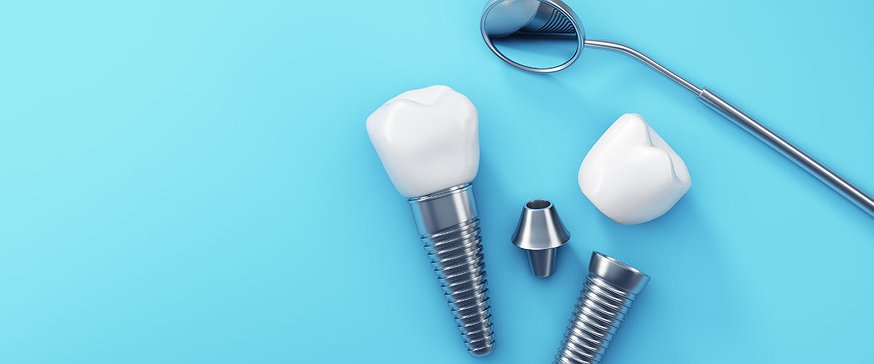
Are Dental Implants Safe? Understanding Risks, Success Rates, and Recovery
Dental implants are generally safe for suitable patients. They are not experimental, and they are not new. In well-planned cases, implants have strong long-term survival numbers. One large 10-year review reported implant survival at about 96.4% at the implant level.
That number is useful, but it is not a promise. An implant is placed into living bone. The gums have to stay healthy. The bite has to be controlled. Medical history matters. Smoking matters. Diabetes control matters. Cleaning habits matter more than many people expect.
For patients in Maple and Woodbridge, the safer question is not only, “Do dental implants work?” It is, “Am I a good candidate, and what needs to be corrected before we place one?”
At Maple Dental Health in Maple, implant treatment should begin with a careful assessment of bone, gums, bite, medical history, medications, and the reason the tooth was lost in the first place.
Simple answer: dental implants are generally safe for suitable patients and have strong long-term survival rates, but they are not automatic or risk-free. The safest outcomes depend on proper planning: checking bone levels, gum health, bite pressure, medical history, medications, smoking status, diabetes control, and cleaning habits before treatment begins.
Table of Contents
- Are dental implants safe?
- Why implants are usually predictable, but never automatic
- Dental implant success rates without the sales pitch
- A quick safety chart
- The main risks patients should know
- Who has a higher chance of implant complications?
- What should be checked before implant surgery?
- What recovery usually feels like
- Recovery timeline
- Food, pain, swelling, and normal healing
- Signs something is not healing properly
- Implants versus bridges and dentures
- Long-term care after the crown is placed
- Questions worth asking at the consultation
- Final thoughts
- Extended FAQ
- Sources
Are dental implants safe?
For many adults, yes. Dental implants are one of the most established ways to replace missing teeth. The implant acts as an artificial tooth root, usually made from titanium, and it supports a crown, bridge, or denture after healing.
But implants are not like whitening or a simple filling. There is surgery. There is bone healing. There is a period where the implant must become stable before the final tooth is attached. There is also maintenance after treatment is finished.
This is where patients sometimes get the wrong impression. They hear that implants are “the best option” and assume that means “simple” or “guaranteed.” A better way to describe them is this:
Dental implants can be very reliable when the mouth is prepared properly.
That preparation may include treating gum inflammation, removing infection, building bone, reviewing medications, checking diabetes control, adjusting the bite, or planning a nightguard for grinding. None of that sounds exciting, but it is often the difference between a rushed implant and a safer one.
Why implants are usually predictable, but never automatic
An implant needs a stable foundation. If a tooth was lost because of gum disease, infection, trauma, or long-term pressure from grinding, the dentist has to understand that before replacing it.
A missing tooth is not just an empty space. It may come with bone shrinkage, changes in gum shape, movement of nearby teeth, or a bite that has shifted over time.
That is why implant planning usually looks at several layers.
| What the dentist checks | Why it matters |
|---|---|
| Bone height and width | The implant needs enough bone around it to stay stable. |
| Gum health | Inflamed gums can increase the risk of infection around the implant. |
| Bite pressure | Heavy pressure can stress the implant or crown. |
| Medical history | Some conditions affect healing and infection risk. |
| Medications | Certain medications can influence bleeding, bone response, or healing. |
| Smoking or vaping | Nicotine affects blood flow and tissue repair. |
| Cleaning access | The final crown must be cleanable, not just attractive. |
| Patient expectations | Healing takes time, and not every case can be done quickly. |
A patient with strong bone, healthy gums, no smoking history, and good cleaning habits is a very different case from someone with uncontrolled gum disease, bone loss, diabetes that is not well managed, and heavy clenching.
Both patients may want the same implant. They should not receive the same treatment plan.
Dental implant success rates without the sales pitch
Dental implant studies often report high survival rates. That is good news. It is also easy to misunderstand.
“Survival” means the implant is still present in the mouth at the measured point in time. It does not always mean the gums are perfect, the crown has never needed repair, or the patient never had inflammation around the implant.
A more honest breakdown looks like this:
| Term | Plain meaning |
|---|---|
| Implant survival | The implant is still in place. |
| Implant success | The implant is stable, comfortable, functional, and healthy. |
| Implant maintenance | The ongoing care needed to keep the implant clean and monitored. |
| Implant restoration | The crown, bridge, or denture attached to the implant. This part may need repair or replacement over time. |
So when patients see a number such as 95% or higher, it should be read as a population-level figure, not a personal guarantee.
A well-planned implant may last many years. Some last decades. But the patient’s own risk profile still matters.
A person who had past periodontitis, smokes, misses hygiene visits, or cannot clean under the implant crown properly will not have the same long-term outlook as someone with stable gums and strong maintenance habits.
A quick safety chart
This is a simple patient-facing guide. It is not a diagnosis.
| Safety factor | Lower-risk situation | Higher-risk situation |
|---|---|---|
| Gum health | No active gum disease | Bleeding gums, deep pockets, history of periodontitis |
| Bone support | Enough bone around the implant site | Thin bone, past infection, long-term tooth loss |
| Smoking | Non-smoker | Current smoker or heavy vaping |
| Diabetes | Well controlled | Poorly controlled or unstable |
| Bite | Even bite, no strong clenching | Grinding, clenching, cracked teeth, heavy wear |
| Cleaning | Patient can clean around the future crown | Crowded area, poor hygiene, limited access |
| Medical history | Stable, reviewed before surgery | Immune issues, bone-related medication concerns, complex history |
| Follow-up | Regular dental visits | Irregular care, only attends when there is pain |
The main risks patients should know
Most implant procedures heal without major trouble. Still, patients deserve a clear discussion of possible complications before treatment starts.
The main risks include infection, poor bone integration, gum recession, nerve irritation, sinus involvement in upper back teeth, bleeding, swelling, bruising, and long-term inflammation around the implant.
| Possible problem | What it may feel or look like |
|---|---|
| Infection | Increasing pain, swelling, pus, fever, bad taste, delayed healing |
| Poor integration | The implant does not become stable in the bone |
| Nerve irritation | Numbness, tingling, burning, or altered feeling in the lip, chin, gum, or tongue |
| Sinus involvement | Pressure or symptoms near the sinus after upper jaw treatment |
| Gum recession | The gum pulls back and exposes more of the implant area or crown margin |
| Peri-implant mucositis | Redness or bleeding around the gum without major bone loss |
| Peri-implantitis | Inflammation with bone loss around the implant |
| Mechanical issues | Loose crown, loose screw, chipped porcelain, uncomfortable bite |
Some of these issues happen early. Others may appear years later. That is why the follow-up stage is not optional.
The implant cannot decay, but the tissue around it can still become inflamed.
Who has a higher chance of implant complications?
Some patients need extra caution before implant treatment. This does not always mean they cannot have an implant. It means the dentist may need to reduce risk first.
Higher-risk factors include:
| Factor | Why it matters |
|---|---|
| Active gum disease | Bacteria and inflammation can affect bone and gum support. |
| Past periodontitis | A history of bone loss around teeth can increase risk around implants. |
| Smoking | Healing is slower and infection risk may be higher. |
| Poorly controlled diabetes | Wound healing and immune response can be affected. |
| Heavy grinding | Excess pressure can overload the implant or restoration. |
| Thin jawbone | The implant may not have enough support without grafting. |
| Poor oral hygiene | Plaque can collect around the implant and trigger inflammation. |
| Some medications | Certain medications require special review before surgery. |
| Previous radiation to the jaw | Healing may be more complicated. |
The one that patients underestimate most is old gum disease. A person may say, “But the bad tooth is gone now.” The implant replaces the tooth, not the biological tendency toward gum inflammation. If the mouth was vulnerable before, it still needs maintenance after.
Smoking is another honest conversation. It is not helpful to hide it from the dentist. The treatment plan depends on real risk, not the version of risk that looks better on paper.
What should be checked before implant surgery?
A safe implant plan should not begin with the price. It should begin with the mouth.
Before recommending treatment, the dentist may need to assess:
- the missing tooth area;
- nearby teeth;
- gum pocketing and bleeding;
- bone shape;
- jaw anatomy;
- sinus position for upper implants;
- nerve position for lower implants;
- bite pressure;
- history of grinding;
- medical conditions;
- medication list;
- healing history;
- previous dental infections;
- daily cleaning habits.
For some cases, 3D imaging may be recommended. This is especially common when anatomy is tight, bone is limited, or the implant is near the sinus or nerve canal.
Planning is not only about placing the implant where there is bone. It is also about where the final tooth needs to emerge. If the implant is placed in a position that makes the crown bulky or difficult to clean, the patient may pay for it later with inflammation around the gums.
Good implant dentistry is surgical and restorative at the same time.
What recovery usually feels like
Most people expect the recovery to be worse than it is. In many routine cases, discomfort is manageable and settles over several days.
Normal early symptoms can include:
- soreness near the implant site;
- swelling;
- light bleeding on the first day;
- bruising;
- tenderness when chewing;
- tightness in the gum;
- mild jaw stiffness.
The first few days matter. This is when the clot and early tissue healing should be protected. Patients are usually told to avoid hard chewing on the surgical side, smoking, alcohol, strenuous exercise, and aggressive rinsing.
More complex procedures can feel different. If the patient had an extraction, bone grafting, a sinus lift, or several implants placed, recovery may take longer.
Recovery timeline
This timeline is general. A dentist may adjust it depending on the case.
| Stage | Usual timing | What is happening |
|---|---|---|
| First 24 hours | Surgery day and evening | Bleeding slows, clot forms, soreness begins |
| Days 2–3 | Early healing | Swelling may peak, tenderness is common |
| Days 4–7 | Settling phase | Swelling and discomfort should begin improving |
| 1–2 weeks | Soft tissue healing | Gum tissue usually feels much calmer |
| 3–6 months | Bone integration | Bone gradually bonds around the implant |
| Restoration stage | After healing is confirmed | Abutment and crown are planned or placed |
| Long-term | Ongoing | Cleaning, bite checks, gum monitoring, X-rays when needed |
Some implants can be restored sooner. Some need more time. A faster timeline is not automatically safer.
Food, pain, swelling, and normal healing
Soft foods are usually best after surgery. Food should not be hot enough to irritate the area. Small seeds, sharp chips, nuts, crusty bread, and sticky foods can create problems early on.
| Better early choices | Usually better to avoid at first |
|---|---|
| Soft eggs | Chips |
| Yogurt | Nuts |
| Smooth soups, not hot | Crusty bread |
| Oatmeal | Popcorn |
| Soft pasta | Sticky candy |
| Mashed vegetables | Hard raw vegetables |
| Soft fish | Chewing directly on the implant site |
Pain should usually trend down, not up. Swelling can be more noticeable on day two or three, but then it should start calming. Bruising can look dramatic in some people, especially if the surgery was more involved, but bruising alone does not always mean something is wrong.
What matters is the pattern. Better each day is reassuring. Worse each day is not.
Signs something is not healing properly
Call the dental office if any of these happen:
- pain gets worse after the first few days;
- swelling increases instead of settling;
- bleeding does not slow with pressure;
- pus appears;
- fever develops;
- a bad taste keeps returning;
- the implant or healing cap feels loose;
- numbness or tingling does not improve;
- chewing becomes painful after it had been comfortable;
- the bite suddenly feels wrong;
- the gum around the implant bleeds easily after healing.
Patients sometimes wait because they do not want to “bother” the clinic. With implants, waiting can make a small issue harder to manage. Early inflammation is usually easier to treat than established bone loss.
Implants versus bridges and dentures
Dental implants are not automatically the right answer for every missing tooth. Bridges and dentures still have a place.
| Option | Where it can work well | Main drawback |
|---|---|---|
| Dental implant | Replacing a tooth without using neighbouring teeth for support | Requires surgery, healing time, and enough bone |
| Dental bridge | When nearby teeth already need crowns or surgery is not preferred | Often requires reshaping adjacent teeth |
| Partial denture | When several teeth are missing and a removable option is preferred | Less stable than fixed options |
| Complete denture | Full tooth loss, especially when surgery is not suitable | Can move, rub, or reduce chewing comfort |
| Implant-supported denture | When a denture needs more stability | More involved and needs implant maintenance |
For one patient, an implant may protect the neighbouring teeth. For another, a bridge may be more sensible. For someone with medical risk or limited bone, a denture may be safer.
A proper consultation should compare the options rather than pushing only one.
Long-term care after the crown is placed
The day the crown is placed is not the end of implant treatment. It is the start of the maintenance phase.
Implants need:
- daily brushing around the gumline;
- cleaning between the implant and neighbouring teeth;
- proper tools for the shape of the crown;
- regular hygiene visits;
- bite checks;
- monitoring for bleeding or pocketing;
- X-rays when clinically needed;
- nightguard use if grinding is an issue.
The crown design matters here. A crown can look nice and still be difficult to clean. That is not a small detail. Plaque left around an implant can lead to inflammation.
Patients should know how to clean the implant before they leave with the final tooth.
Questions worth asking at the consultation
Bring questions. A good implant consultation should make the plan clearer, not more confusing.
| Question | Why it matters |
|---|---|
| Do I have enough bone for an implant? | Bone support affects stability. |
| Do I have active gum disease? | Gum inflammation should be controlled first. |
| Will I need grafting? | This changes timing and cost. |
| Am I at higher risk because of smoking, diabetes, or grinding? | Personal risk matters more than average statistics. |
| Is 3D imaging needed in my case? | Anatomy can affect safety. |
| How long will healing take for me? | Timelines vary. |
| When can I chew on the implant? | Early pressure can be a problem. |
| What should I do if something feels loose? | Looseness needs prompt attention. |
| How often will maintenance visits be needed? | Long-term follow-up protects the result. |
| What are my non-implant options? | Bridges and dentures may still be reasonable choices. |
Maple Dental Health and local treatment planning
Maple Dental Health is located in Maple, Vaughan. That matters for local wording because the clinic should not be described as having a Woodbridge office.
Patients from Woodbridge, Vaughan, Maple, Patterson, Rural Vaughan, and nearby communities may come in for implant consultations, but the clinic location itself is Maple.
The current Maple Dental Health team page lists Dr. Carly Gordon, Dr. Lulu Shen, Dr. Jane Wu, Dr. Joseph Ramos, Dr. Mirette Mounir, and Breanne, Denturist. For implant-related content, it is safer to refer to the clinical team unless a specific dentist quote or provider attribution is approved by the clinic.
No dentist should be quoted directly unless the quote is confirmed.
Final thoughts
Dental implants are safe for many patients, but they deserve more respect than a simple cosmetic upgrade. They involve surgery, bone healing, bite planning, restoration design, and long-term hygiene.
The best implant cases are usually the ones where the dentist takes time at the beginning. Check the gums. Check the bone. Check the bite. Ask about smoking. Review medications. Discuss diabetes. Talk about cleaning. Explain the timeline honestly.
A safe implant plan does not need big promises. It needs the right diagnosis, a realistic discussion, and a patient who knows how to care for the implant after the crown is placed.
For patients in Maple and Vaughan, dental implants can be a strong tooth replacement option, but the first step is not the implant itself. It is the assessment.
Frequently Asked Questions
Are dental implants safe?
Yes, dental implants are generally safe for suitable adults when they are planned and maintained properly. They do involve surgery, so the dentist needs to check gum health, bone support, medical history, medications, bite pressure, and healing risk before treatment.
What is the success rate of dental implants?
Many long-term studies report high implant survival rates. One 10-year review reported survival of about 96.4% at the implant level. That figure does not guarantee an individual result. Smoking, gum disease, diabetes control, bone quality, grinding, and maintenance all affect personal risk.
Can dental implants fail?
Yes. An implant may fail early if it does not bond with the bone. It may also fail later if inflammation, infection, bone loss, heavy bite forces, or poor cleaning damage the tissues around it.
Are dental implants painful?
The procedure itself is usually done with local anaesthetic, so patients should not feel sharp pain during placement. Afterward, soreness and swelling are common for a few days. More involved cases may take longer to settle.
How long does recovery take?
Initial gum healing often takes one to two weeks. Bone integration usually takes several months. Many cases take about three to six months before the final crown stage, although timing varies.
Is swelling normal after implant surgery?
Yes, some swelling is normal. It may peak around the second or third day. It should then begin to improve. Swelling that keeps getting worse, especially with fever, pus, or increasing pain, should be checked.
Can I eat normally after dental implant surgery?
Not right away. Soft foods are usually recommended at first. Patients should avoid chewing directly on the implant site until the dentist says it is safe.
What foods should I avoid after implant placement?
Avoid hard, crunchy, sticky, sharp, or seed-heavy foods early on. Chips, nuts, popcorn, crusty bread, and sticky sweets can irritate the healing area or put pressure on it.
Are dental implants safe for older adults?
Often, yes. Age alone is not usually the deciding factor. Overall health, bone support, medications, healing ability, and gum condition matter more.
Are implants safe if I have diabetes?
They may be, especially if diabetes is well controlled. Poorly controlled diabetes can increase healing and infection risks. The dentist may ask about recent blood sugar control before treatment.
Can smokers get dental implants?
Some smokers do receive implants, but smoking increases the risk of poor healing and implant complications. Patients should be honest about smoking before treatment so the dentist can plan safely.
What is peri-implantitis?
Peri-implantitis is inflammation around a dental implant with loss of supporting bone. It can develop over time and may not be painful at first. Bleeding, swelling, pus, gum recession, and bone loss are warning signs.
Can implants get cavities?
No. The implant and crown do not decay like natural tooth structure. However, the gum and bone around an implant can still become inflamed or infected.
Can an implant damage a nerve?
It is uncommon, but possible, especially in the lower jaw. Imaging and careful planning help reduce this risk. Ongoing numbness, tingling, or altered sensation after surgery should be reported.
Can upper implants affect the sinus?
Yes, upper back implants may be close to the sinus. If there is not enough bone height, grafting or a sinus lift may be discussed before implant placement.
Is bone grafting always needed?
No. Some patients have enough bone for an implant without grafting. Others need grafting because the bone has shrunk after tooth loss, infection, trauma, or gum disease.
Are same-day implants safe?
They can be safe in selected cases, but they are not for everyone. Bone quality, bite forces, infection status, and implant stability all matter. A quick timeline should still be biologically reasonable.
Is an implant better than a bridge?
Sometimes. An implant does not usually require cutting down neighbouring teeth. A bridge may be better if nearby teeth already need crowns or if implant surgery is not suitable. The right answer depends on the mouth.
Is an implant better than a denture?
For stability, often yes. But dentures can be more appropriate for some patients because they are removable and do not require implant surgery. Implant-supported dentures are another option when more stability is needed.
How long do dental implants last?
Some implants last many years or decades. The crown or attached prosthetic parts may need repair or replacement over time. Long-term cleaning and dental checkups are important.
What are signs of implant failure?
Looseness, pain when chewing, swelling, bleeding, pus, gum recession, a bad taste, or a sudden change in the bite should be checked. An implant should not feel mobile.
Can a failed implant be replaced?
Sometimes. The dentist first needs to understand why it failed. The area may need healing, infection control, bone grafting, or a different plan before another implant is considered.
Do dental implants need special cleaning?
Yes. They need careful daily cleaning around the gumline and between teeth. Some patients need interdental brushes, special floss, or a water flosser. The hygienist can recommend tools based on the shape of the crown.
How often should implants be checked?
The schedule depends on risk. Many patients need regular hygiene visits and periodic X-rays. Patients with past gum disease, smoking, diabetes, or previous implant inflammation may need closer monitoring.
Where is Maple Dental Health located?
Maple Dental Health is located at 9983 Keele Street, Suite 302, Maple, Ontario. The clinic is in Maple, Vaughan, not Woodbridge.
Sources
Canadian Dental Association — Dental Implants
https://www.cda-adc.ca/en/oral_health/procedures/dental_implants/
PubMed — Long-term 10-year dental implant survival: A systematic review
https://pubmed.ncbi.nlm.nih.gov/30904559/
American Academy of Periodontology — Peri-Implant Diseases
https://www.perio.org/for-patients/periodontal-treatments-and-procedures/dental-implant-procedures/peri-implant-diseases/
Health Canada — Oral health
https://www.canada.ca/en/health-canada/services/oral-health.html
Maple Dental Health — About Us
https://www.mapledentalhealth.com/about-us/
Maple Dental Health — Dental Implants in Maple, Vaughan
https://www.mapledentalhealth.com/services/dental-implants-maple/