



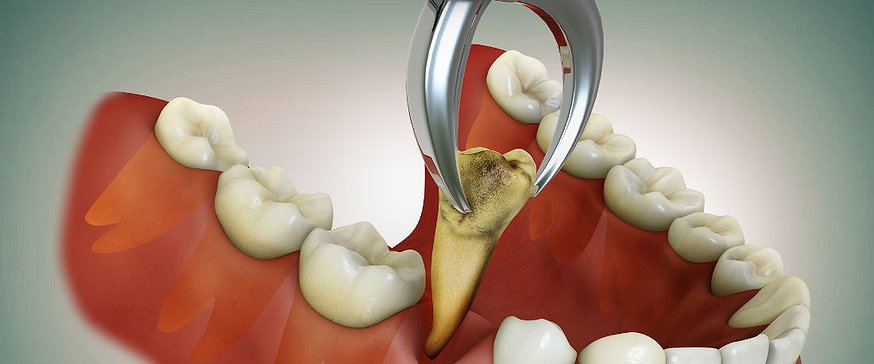
How Soon After Tooth Extraction Can You Get a Dental Implant?
Sometimes the implant goes in the same day. More often, it doesn’t.
In routine cases, you’re usually looking at a few weeks to a few months, depending on what the bone looks like after the tooth comes out — not what was planned before.
Table of Contents
- Why timing is not fixed
- Same-day implants: when it actually works
- The more common approach: waiting a bit
- Cases where you have to slow down
- What really decides the timing (in practice)
- Bone grafts and why they change everything
- What happens to the socket after extraction
- The full sequence, without oversimplifying
- Where things go wrong when rushed
- Side-by-side timing comparison
- FAQ
Why Timing Is Not Fixed
This question sounds simple, but it isn’t answered by a number.
You don’t decide implant timing from a calendar. You decide it from what’s left in the bone after the tooth is removed.
Two patients can walk in with the same X-ray and leave with completely different timelines — because once the tooth is out, things look different. Sometimes better, sometimes worse.
That’s why you’ll hear ranges instead of exact answers.
Same-Day Implants: When It Actually Works
Yes, implants can go in immediately. It’s not rare — but it’s not routine either.
For that to happen, a few things have to line up:
- The socket walls are still intact
- The bone underneath is solid enough to “grab” the implant
- There’s no infection sitting in the area
- The tooth comes out cleanly, without breaking the surrounding bone
If those conditions are there, placing the implant straight away can make sense. You preserve the shape of the bone better, and you skip one healing phase.
But here’s the part patients don’t always hear:
Even when a same-day implant is placed, it doesn’t mean the case is “faster” overall. You still wait months for the implant to integrate before putting a crown on it.
So immediate placement is about preserving anatomy, not speeding everything up.
The More Common Approach: Waiting a Bit
In everyday practice, most implants are not placed on the same day.
Instead, there’s a short pause — usually somewhere around 8 to 12 weeks.
Why?
Because once the tooth is gone, the body starts repairing the area. The gums close. The bone begins to reorganise. The site becomes more predictable.
It’s not dramatic healing — just enough to turn a fresh extraction site into something more stable.
This window works well when:
- The extraction wasn’t perfect
- The bone is thin but still present
- There was mild inflammation
It’s a practical decision, not a conservative one.
Cases Where You Have to Slow Down
There are situations where placing an implant early creates more problems than it solves.
These usually involve:
- Infection around the tooth (even if it wasn’t painful)
- Bone already lost before extraction
- Cracks in the socket walls
- Gum tissue that doesn’t hold its shape
In those cases, the timeline stretches out — often 3 to 6 months, sometimes longer.
From the outside, it can look like unnecessary waiting. From a clinical point of view, it’s avoiding failure.
What Really Decides the Timing
There’s a checklist, but it’s not written on paper — it’s what the dentist sees and feels during the procedure.
Stability
When the implant goes in, it needs to feel tight in the bone. Not slightly firm — actually stable. If that’s not there, it’s not worth forcing.
Bone Thickness
Thin bone can look acceptable on a scan but behave differently once you’re working in it. If it collapses or flakes, plans change.
Cleanliness of the Site
Even low-grade infection matters. If the area doesn’t look clean, placing an implant becomes a risk.
Soft Tissue
Gums are often overlooked in these discussions. If they’re not in good condition, they won’t support the final result properly.
None of this is theoretical. It’s decided in real time.
Bone Grafts Change the Timeline Completely
If there isn’t enough bone, you don’t “work around it”. You rebuild it.
That’s where bone grafting comes in.
Instead of placing an implant, the dentist fills the space with graft material and lets the body replace it with new bone over time.
That adds months:
- Extraction
- Graft placement
- Healing (often 3–6 months)
- Then implant
It’s slower, but it avoids placing an implant into something that won’t support it long term.
For background on how implant treatment planning works in these cases, you can refer to general patient guidance from professional bodies like the American Academy of Implant Dentistry (AAID):
https://www.aaid-implant.org/dental-implants/what-are-dental-implants/
What Happens to the Socket After Extraction
Once the tooth is gone, the body doesn’t “keep the space open”.
The bone starts shrinking. Not dramatically, but noticeably — especially in the first few months.
- The width of the ridge reduces
- The outer bone wall is the first to resorb
- The gum follows the new contour
This is why timing matters.
Wait too long without intervention, and you may need grafting later even if you didn’t initially.
The Full Sequence
Here’s how it usually plays out:
- Tooth is removed
- Decision is made — implant now, later, or after graft
- Healing phase (varies widely)
- Implant placement
- Integration period (typically a few months)
- Crown placement
The longest part is not the wait after extraction. It’s the integration phase after the implant goes in.
That part doesn’t get shortened.
Where Things Go Wrong When Rushed
Most implant problems aren’t dramatic at the start. They show up later.
Common issues when timing is off:
- Implant never fully bonds to the bone
- Subtle movement that turns into failure
- Gum recession that exposes metal edges
- Positioning that looks acceptable early but not after healing
None of these happen because the procedure itself was difficult. They happen because the site wasn’t ready.
Comparison of Timing Approaches
| Approach | When It Happens | Why It’s Chosen | What to Watch For |
|---|---|---|---|
| Immediate | Same visit | Bone intact, no infection | Requires strong stability |
| Early | ~2–3 months | Site partially healed | Still some biological variability |
| Delayed | 3–6+ months | Bone loss, infection, grafting | Longer treatment overall |
What Patients Usually Experience
After extraction:
- A few days of soreness
- Gum closure within a couple of weeks
- Gradual bone changes over months
After implant placement:
- Often less discomfort than expected
- Back to normal routine quickly
- No visible change until the crown is placed
The visible result is the last step, not the first.
FAQ
Can I always choose to get the implant immediately?
No. Even if it’s technically possible, it’s not always the better option.
Why do dentists sometimes change the plan mid-procedure?
Because the true condition of the bone is only fully visible once the tooth is removed.
Is waiting safer?
In many cases, yes. Especially when there’s any doubt about stability or infection.
Does bone always shrink after extraction?
Yes, to some degree. The extent varies, but it’s part of normal healing.
Can implants fail if done too early?
They can. Usually not immediately, but during the integration phase.
How long does everything take from start to finish?
Roughly 4 to 9 months in most cases, sometimes longer if grafting is involved.
Is the implant procedure painful?
Most patients describe it as manageable, often easier than the extraction itself.
What if I delay treatment for a year or more?
It’s still possible to place an implant, but additional procedures may be needed to rebuild lost bone.
Final Thoughts
The timing question sounds like it should have a fixed answer. It doesn’t.
What matters is whether the site is ready — structurally and biologically — not how quickly the implant can be placed.
In some cases, that’s the same day.
In others, it’s months later.
Both can be correct.