



Blog

Are Dental Implants Covered by Insurance in Ontario? What Plans Pay and How to Cover the Rest
Some private dental plans in Ontario help pay for implants. Others won't contribute at all, even when they cover crowns, bridges, and other major dental work. The Canadian Dental Care Plan excludes implants, while OHIP doesn't cover routine treatment in a dental office. To find out what you'll actually owe, get a treatment estimate and ask your insurer to assess it before you book surgery.
Read More >
Dental Implant Recovery Timeline: From Surgery Day to Your Final Crown
A dental implant usually needs two to six months to bond with the jawbone, although your gums may heal within a fortnight. You won't necessarily spend those months recovering from surgery. Most of the waiting happens after the soreness has gone, while the implant develops a firm connection with the bone. If you need a graft or another procedure first, getting your final crown may take longer.
Read More >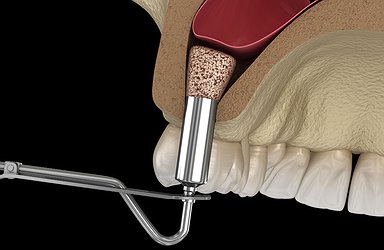
Do You Need a Sinus Lift Before Getting Dental Implants?
Not everyone getting a dental implant needs a sinus lift. It may be considered when an implant is planned for the back of the upper jaw and there is not enough bone beneath the maxillary sinus to support it properly. The deciding factors are your anatomy, the amount and quality of bone that remains, and the position of the planned implant — not simply how long the tooth has been missing.
Read More >
Dental Implant Crown vs Implant: What’s the Difference and What Can Actually Fail?
When someone says, “My dental implant is loose,” that description leaves out the most important detail. Is the visible crown moving? Has a screw loosened? Is there a problem with the abutment? Or is the implant fixture itself moving in the jaw? These are very different situations.
Read More >
Can You Get a Dental Implant Years After Losing a Tooth?
Yes, many people can still get a dental implant years after losing a tooth. The question is not only how long the tooth has been missing. The more important question is what has happened since: how much bone remains, whether the gum is healthy, whether nearby teeth have shifted, and whether the bite can support an implant.
Read More >
Are Dental Implants Safe? Understanding Risks, Success Rates, and Recovery
Dental implants are generally safe for suitable patients. They are not experimental, and they are not new. In well-planned cases, implants have strong long-term survival numbers. One large 10-year review reported implant survival at about 96.4% at the implant level.
Read More >
Can Dental Implants Prevent Jawbone Shrinkage After Tooth Loss?
Dental implants can help slow down jawbone shrinkage after tooth loss because they replace the missing tooth root, not just the visible part of the tooth. Once an implant heals inside the jawbone, it can carry chewing pressure in a way that keeps the surrounding bone active. This matters because the jawbone does not stay the same after a tooth is lost. Without a root in place, the bone in that area can gradually become thinner or lower.
Read More >
Traveling from Woodbridge for Dental Implants: What to Expect at Your First Visit
A first implant visit in Maple is a planning appointment, not a treatment session. Expect a full clinical review, 3D imaging where needed, and a step-by-step plan that covers suitability, preparation, timing, and costs. Patients travelling from Woodbridge usually leave with a clear, written outline of what will (and will not) be done, and why.
Read More >
How Soon After Tooth Extraction Can You Get a Dental Implant?
Sometimes the implant goes in the same day. More often, it doesn’t. In routine cases, you’re usually looking at a few weeks to a few months, depending on what the bone looks like after the tooth comes out — not what was planned before.
Read More >
Can Smokers Get Dental Implants? What Woodbridge Patients Should Know
Short answer is “yes”: dental implants are still an option for many smokers. Smoking does not automatically disqualify you. The practical question is not “Can I get an implant?” but “What needs to be stabilised first so the implant has a fair chance to last?”
Read More >